


Speakers
Your IBFRA 2026 Keynote Speakers
IBFRA 2026 is proud to welcome three distinguished keynote speakers whose work is shaping the future of boreal forest research. Under the conference theme Living with Disturbance — Resilience in Boreal Forests, our keynote speakers will offer global perspectives on disturbance dynamics, climate change, adaptive management, and the evolving relationship between people and boreal landscapes.
Representing diverse regions and areas of expertise across the circumboreal world, these leaders will help frame the scientific dialogue of the conference and inspire discussions that advance research, collaboration, and innovation in boreal forest systems.
We invite you to explore their profiles and learn more about their contributions to the IBFRA 2026 program.
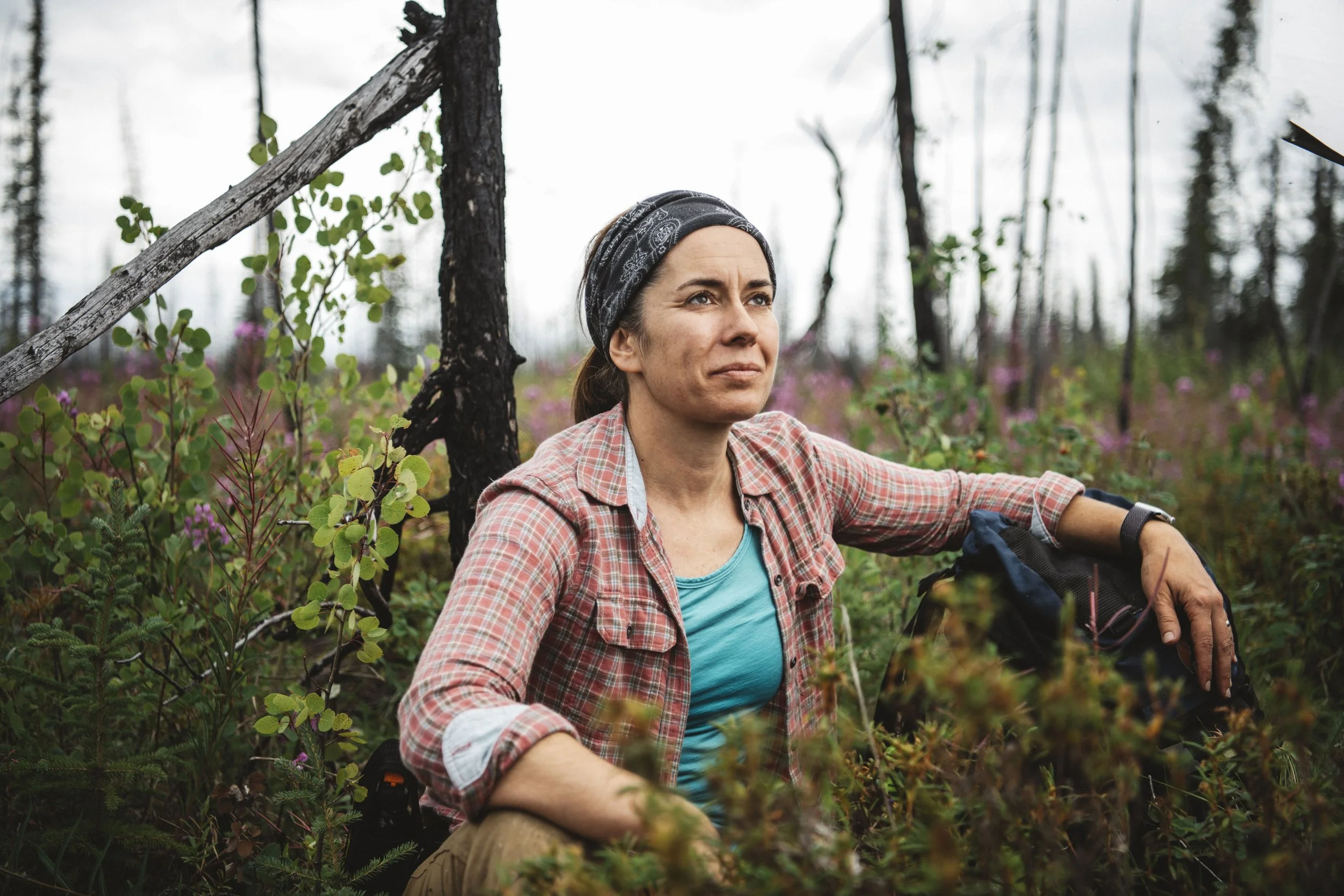
Dr Jennifer Baltzer
Canada Research Chair in Forests & Global Change
Wilfrid Laurier University, Ontario, Canada
“Landcover transitions in high latitude boreal forests: wildfire, permafrost thaw, and fungi as agents of change”
Dr. Jennifer Baltzer is a Tier 1 Canada Research Chair in Forests and Global Change at Wilfrid Laurier University (Laurier), whose work focuses on the drivers of forest composition, structure and function and responses of these systems to global change. She has worked in a range of systems from the tropics to the tundra but currently leads an extensive boreal forest research program throughout the Northwest Territories and more recently extending into the Yukon. Her interdisciplinary research program examines the impacts of climate warming, including permafrost thaw, wildfire regimes, and biome shifts, on the distribution and function of high latitude boreal forests and its implications for northern communities. Within Canada, she works closely with the Government of the Northwest Territories (GNWT) through a 20-year Partnership Agreement between the GNWT and Laurier. Dr. Baltzer played leadership roles in NASA’s Arctic Boreal Vulnerability campaign as the Northwest Territories Academic Liaison, the Smithsonian Institute’s Forest Global Earth Observatory Network, and the Canada First Research Excellence Fund Program Global Water Futures.
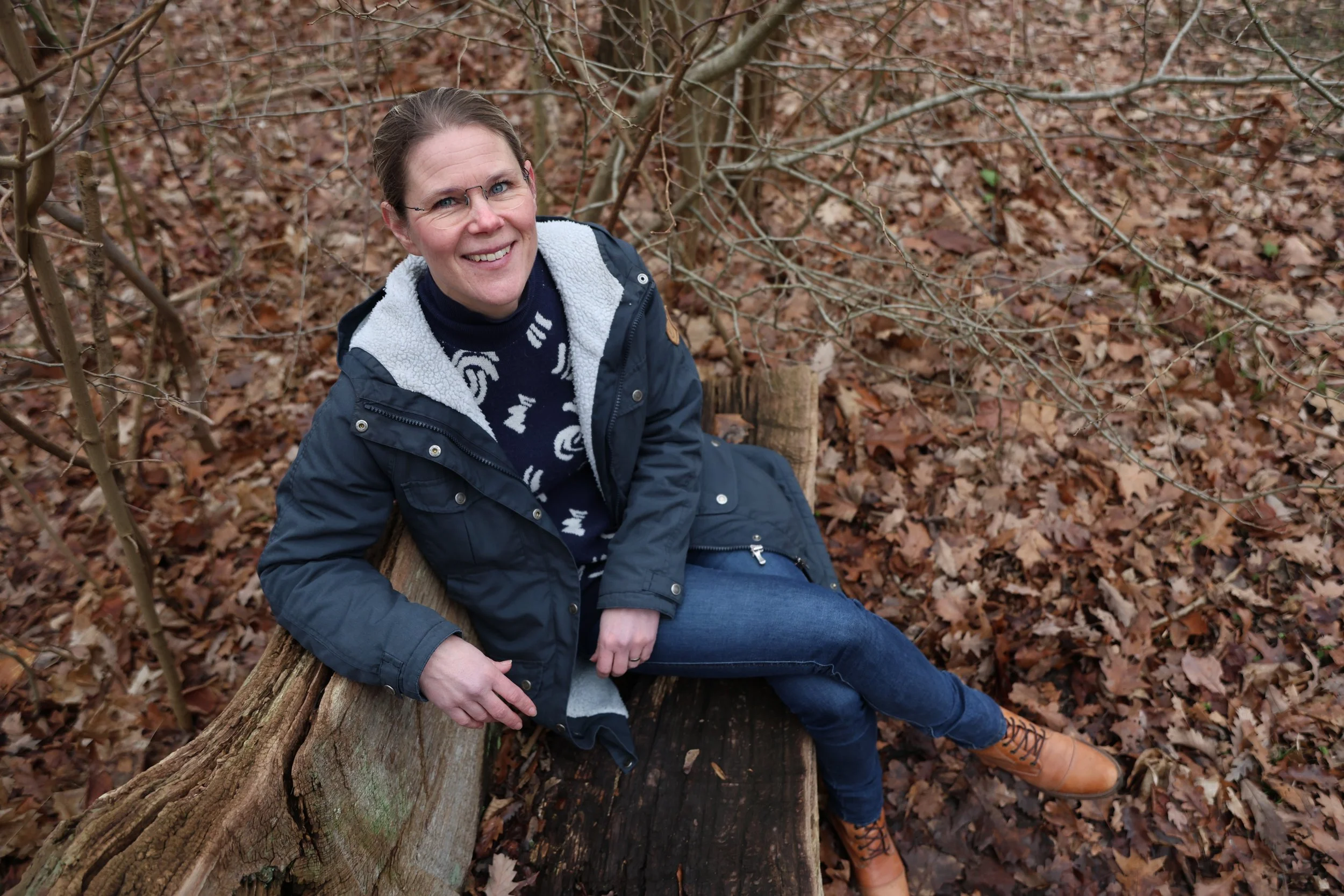
Dr Karin Hjelm
Associate Professor & Senior Researcher
Skogforsk, Forestry Research Institute of Sweden
“Regeneration of future forests – from research to practice”
For more than 25 years, Dr Hjelm has conducted research within the field of forest regeneration. She started as a graduate student at North Carolina State University, USA, and after defending her thesis she has worked as a researcher both at SLU (Swedish University of Agricultural Sciences) and at Skogforsk (The Swedish Forest Research Institute). Primarily, Dr Hjelm’s research has focused on the chain from the nursery production to established seedlings on a reforestation site, exploring different silvicultural practices to secure seedling survival and growth. To understand how a seedling response to the environment is fundamental, whether the project is focused on damage caused by pine weevils, to compare different site preparation methods, to develop an automatic planting machine or to introduce a new tree species. In addition, communication of research has always been an important part of her work. Collaboration between academia and practice is essential to create bridges between basic and applied research. Meeting stakeholders to contribute to the implementation of research results, increase the interest in the subject of forest management, and raise awareness of forests and forestry is therefore central for her.
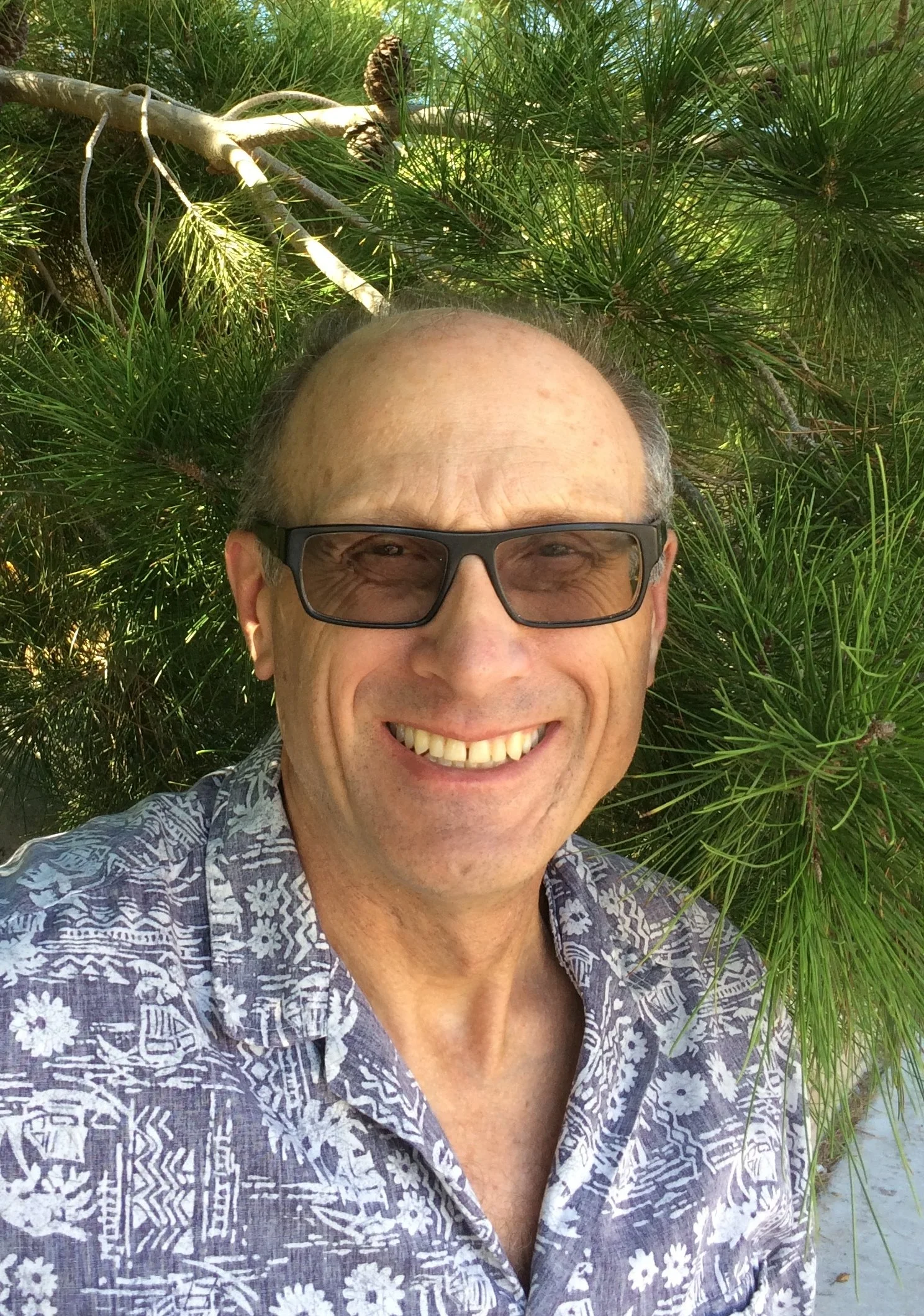
Dr Phil Burton
Professor Emeritus
University of Northern British Columbia, Canada
“Harnessing the natural resilience of our northern forests”
Dr. Phil Burton has been studying vegetation dynamics, forest disturbances, and forest regeneration for more than 30 years. What started as a career of curiosity-driven science has seen widespread applications in ecosystem restoration, silviculture, and forest management policy. He was a research manager with the Canadian Forest Service during the mountain pine beetle outbreak in western Canada, and worked in academia and as an independent researcher and consultant before that. He is currently an emeritus professor at the University of Northern British Columbia after teaching a wide array of courses and mentoring dozens of graduate students. He currently sits on a community-based forest plan monitoring committee and serves on British Columbia’s Forest Practices Board. His current research focuses on wildfire severity analysis and empirical approaches to wildfire behaviour modelling. Along with more than 120 scientific articles and book chapters, he has several books to his name, including “Resilient Forest Management” published by Oxford University Press in 2025.